
How Gut Bacteria Control Depression Genes via Butyrate
Your gut bacteria don’t just digest food — they literally control which of your brain genes get expressed.
Your gut bacteria don’t just digest food — they literally control which of your brain genes get expressed.

If you work with clients, statistically at least one in ten has IBS — here’s how to recognize it, support them, and know when to refer out.

IBS isn’t in your head — it’s in your gut microbiome. Here’s what the latest research says about subtypes, inflammation, and what actually helps.

Microplastics aren’t just an environmental concern — they’re accumulating in human tissue. Here’s what a functional medicine approach to the problem looks like.

Microplastics trigger endocrine disruption and inflammation through specific mechanisms — and a functional medicine approach targets both exposure and resilience.

Your mouth harbors bacteria that can reach your brain through your bloodstream, a cranial nerve, and your gut — here’s how the oral-gut-brain axis actually works.

The oral-brain connection runs through bacteria, nerve pathways, and inflammation — and your mouth health directly shapes your cognitive function.

The two foods sitting in your kitchen right now that neuroscientists keep studying for brain protection.

The strawberry-walnut pairing delivers polyphenols and omega-3s that target neuroinflammation from two different angles.
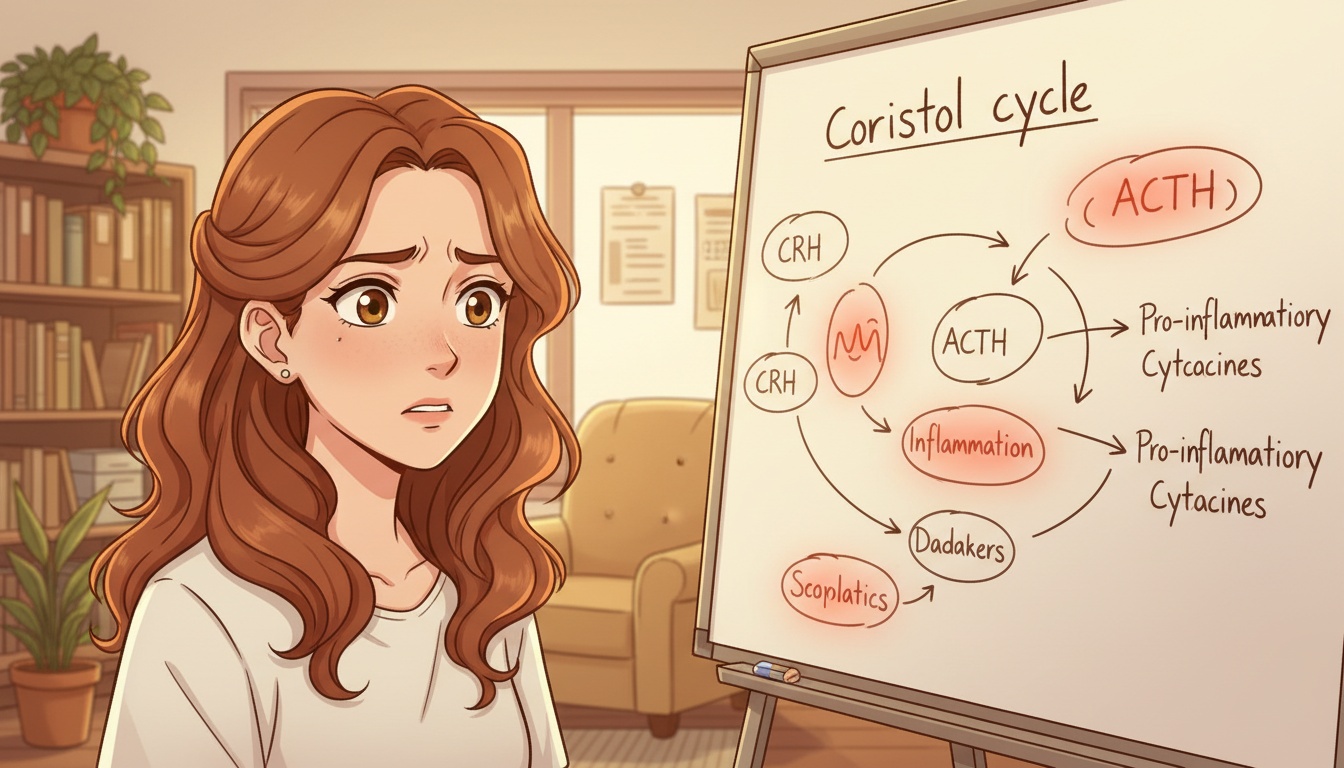
The cortisol-inflammation feedback loop explains why stress makes inflammation worse and inflammation disrupts your sleep, energy, and recovery.
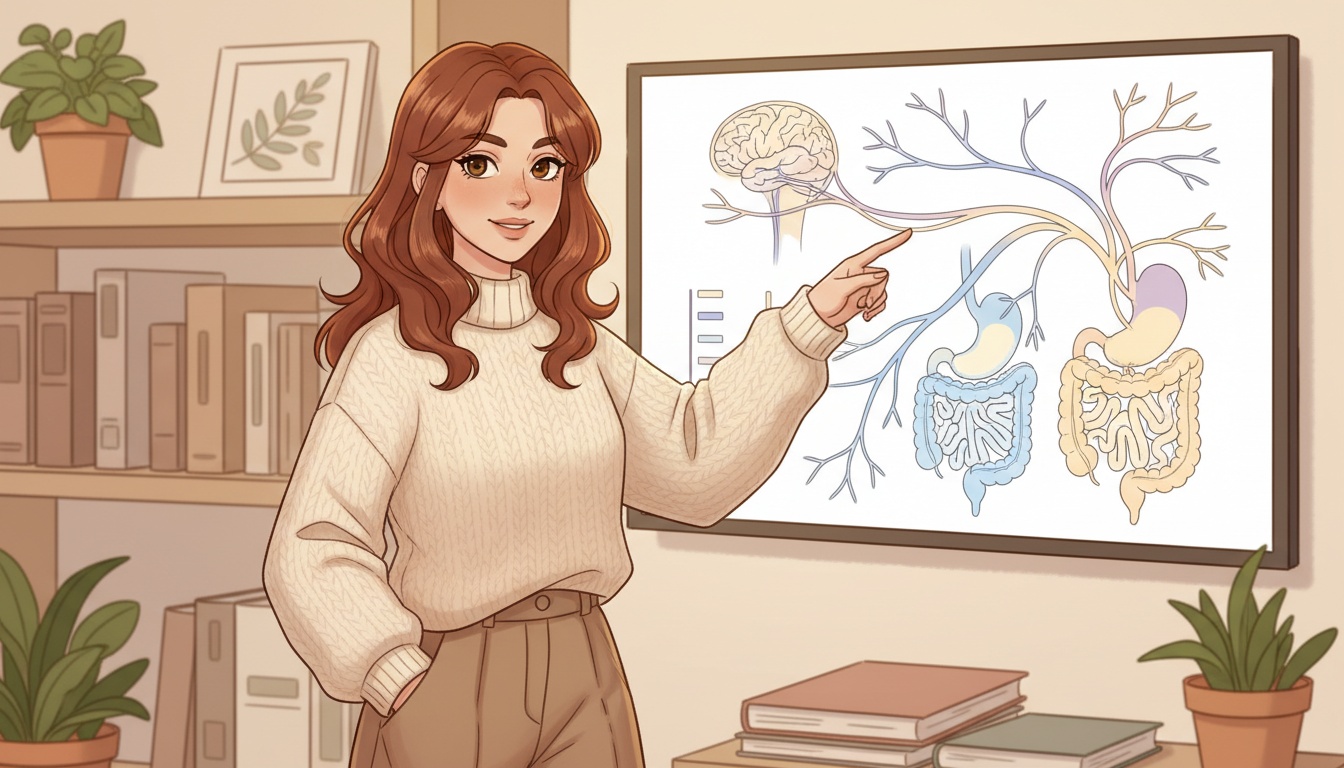
Your gut sends signals to your brain through the vagus nerve — and gut bacteria control what those signals say.

The vagus nerve carries 80% of gut-to-brain signals — and you can actively strengthen its function through specific practices.
Get new posts in your inbox
No spam. No sales pitches. Just the science.
By subscribing, you agree to receive email updates. Unsubscribe anytime. Privacy
Like what you're reading?
Get new posts delivered. No spam, just the science.
By subscribing, you agree to receive email updates. Unsubscribe anytime.