🎧 Listen to this article
What foods actually lower cortisol?
A 2014 meta-analysis in Psychopharmacology found that dark chocolate with at least 70% cacao reduced cortisol and catecholamine levels in stressed participants. Magnesium deficiency — present in roughly half of U.S. adults — directly correlates with elevated cortisol output. Your diet is the fastest lever you have for cortisol control, and most people are pulling it in the wrong direction.
Your cortisol doesn’t care about your meditation app. It responds to what you put in your mouth three times a day. Some foods lower it. Others spike it.
Which foods lower cortisol?
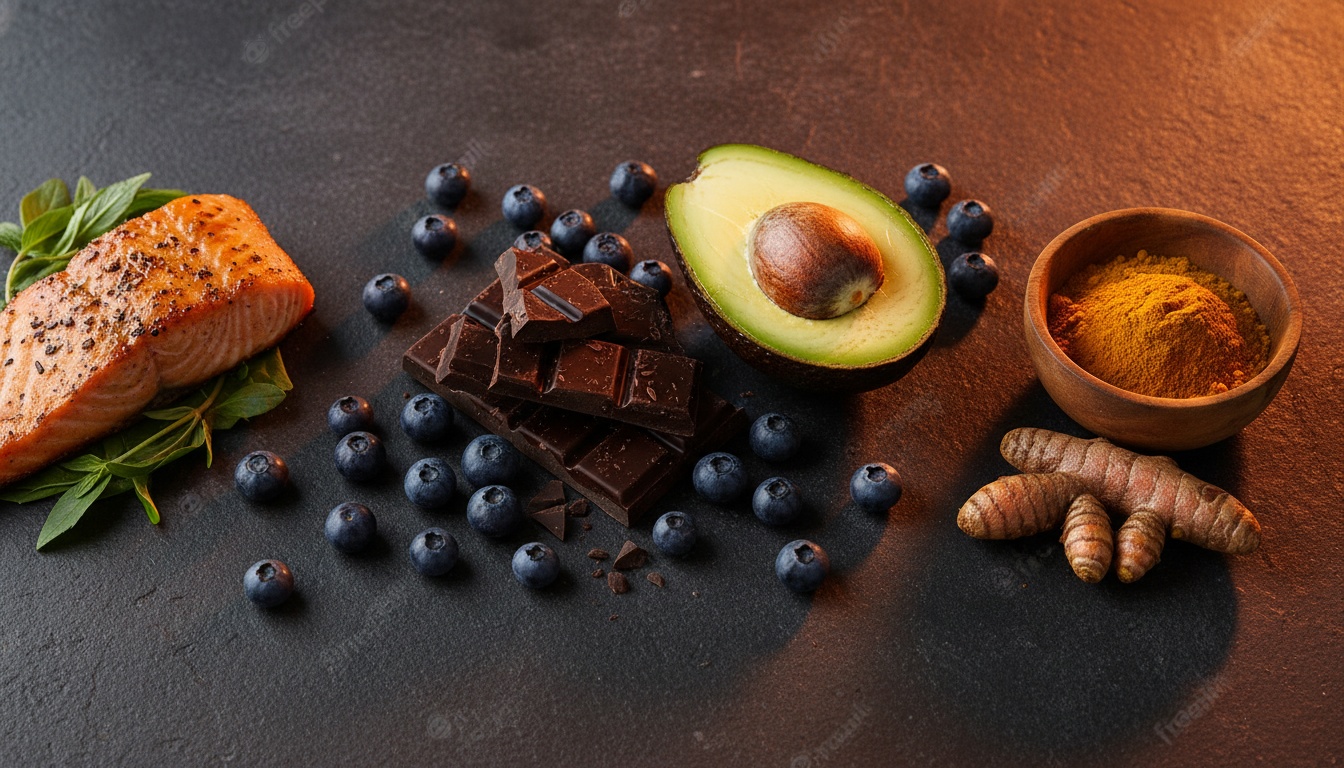
Dark chocolate (70%+ cacao). Not the candy bar. Real dark chocolate — 70% cacao or higher — reduces cortisol response to psychological stress. The flavonoids lower inflammation and improve blood flow to the brain. One to two squares a day is enough.
Fatty fish: salmon, mackerel, sardines. Omega-3 fatty acids blunt the cortisol reaction to mental stress. A study in Brain, Behavior, and Immunity found that omega-3 supplementation significantly reduced cortisol output during psychological challenge. Aim for fatty fish three times per week minimum.
Avocado. B vitamins, potassium, monounsaturated fats — all three matter here. Your adrenals produce cortisol, and they need B5 (pantothenic acid) and B6 to do it properly. One avocado a day covers a meaningful chunk of both.
Bananas. High in potassium and magnesium. Magnesium deficiency is one of the most common drivers of chronically elevated cortisol. A banana before bed also supports melatonin production, which helps with the cortisol-melatonin seesaw.
Spinach and leafy greens. One cup of cooked spinach delivers roughly 40% of your daily magnesium. Low magnesium equals elevated cortisol. This is one of the most underrated dietary fixes for women in the 35–55 range.
Sweet potatoes. Complex carbohydrates that release glucose slowly. Blood sugar crashes trigger cortisol release — your body treats a glucose drop like an emergency. Sweet potatoes keep that curve flat.
Blueberries. Anthocyanins — the antioxidants that give blueberries their color — reduce oxidative stress and lower cortisol. A study in Nutrients found regular blueberry consumption reduced cortisol levels in stressed adults.
Broccoli. Contains sulforaphane, which activates the Nrf2 pathway: your body’s master antioxidant switch. This reduces oxidative stress and lowers cortisol indirectly.
Turmeric (with black pepper). Curcumin lowers cortisol by reducing inflammation. Black pepper increases curcumin absorption by roughly 2,000%. Add both to everything.
Green tea and matcha. L-theanine promotes alpha brain waves — calm focus — and reduces cortisol. Unlike coffee, green tea gives you alertness without the cortisol spike.
Pumpkin seeds. One of the best food sources of magnesium and zinc. Zinc is critical for thyroid function, and thyroid dysfunction can drive cortisol up. A handful a day.
Oysters. The highest food source of zinc. Zinc deficiency directly correlates with elevated cortisol. Three oysters give you a full day’s worth.
Almonds. Magnesium, vitamin E, healthy fats. Vitamin E protects your adrenals from oxidative damage. A small handful daily.
Fermented foods: kimchi, sauerkraut, kefir, yogurt. Your gut bacteria influence your HPA axis — the system that controls cortisol. Fermented foods increase gut diversity, which helps regulate stress response. Here are 15 fermented foods worth adding.
Chamomile tea. Contains apigenin, which binds to GABA receptors in the brain — the same receptors targeted by anti-anxiety medications. Drink it before bed.
Extra virgin olive oil. Monounsaturated fats reduce inflammation. Chronic inflammation drives cortisol up. A tablespoon daily is one of the simplest anti-inflammatory moves you can make.
Ginger. Reduces inflammation and oxidative stress. Supplementation has been shown to lower cortisol and improve antioxidant status.
Oranges and citrus. High in vitamin C. Your adrenals hold the highest concentration of vitamin C in your body. When you’re stressed, they burn through it fast. Low vitamin C means struggling adrenals, which means more cortisol.
Eggs. Complete protein with choline, B vitamins, and vitamin D. Choline supports the nervous system. Vitamin D deficiency is linked to elevated cortisol — and roughly 42% of U.S. adults are deficient.
Pomegranates. Punicalagins — powerful antioxidants — lower cortisol and reduce inflammation. Pomegranate juice has been shown to lower salivary cortisol levels in clinical settings.
Ashwagandha. This is a supplement, not a food, but the research is hard to ignore. A meta-analysis found that ashwagandha significantly reduced cortisol levels compared to placebo. KSM-66 is the most studied form.
Ashwagandha KSM-66 — clinically studied form, standardized extract, HPA axis support. Take 600mg daily for 8–12 weeks to see results.
Water. Dehydration raises cortisol. Even mild dehydration — 1–2% body weight loss — increases cortisol production. Drink half your body weight in ounces daily. More if you exercise.
What foods spike cortisol?
Refined sugar. Candy, ice cream, pastries, soda. Sugar causes blood sugar spikes followed by crashes. The crash triggers cortisol release to stabilize glucose. A 2026 study found that added sugar triggers cortisol release, with energy drinks and soda causing a roughly 30% increase.
Excessive caffeine. Coffee isn’t the problem — excess coffee is. More than two or three cups daily stimulates the HPA axis and elevates cortisol for hours. If you’re anxious, sleep poorly, or carry belly fat you can’t lose, cut back to one cup before noon.
Alcohol. Feels relaxing but raises cortisol within hours. Your body interprets alcohol as a toxin and mounts a stress response. One drink is manageable. Three drinks produce a cortisol surge that lasts until the next morning.
Ultra-processed foods. Refined carbs, seed oils, artificial additives — all cause systemic inflammation, which drives cortisol up. If the ingredient list has more than five things you can’t pronounce, it’s probably raising your cortisol.
Trans fats. Found in fried foods, margarine, and many packaged snacks. Trans fats damage cell membranes and trigger inflammatory responses. Your body responds with cortisol.
Artificial sweeteners. Aspartame, sucralose, saccharin. Research suggests they disrupt gut bacteria, which disrupts the gut-brain axis, which raises cortisol. The “zero calorie” option isn’t free.
How fast does food change cortisol levels?
Within days, not weeks. Cortisol responds to dietary shifts faster than most hormones. Remove the triggers — sugar, excess caffeine, ultra-processed food — and add two or three items from the lowering list, and most people notice a difference in sleep quality and anxiety within 7–14 days.
You can’t meditate your way out of a bad diet. Start with food.
This post contains affiliate links. If you purchase through these links, I may earn a small commission at no extra cost to you. I only recommend products I’ve personally tested or that have strong research backing. 👉 Ashwagandha KSM-66
References:
Cortisol-triggering foods and drinks. Health.com (2026). Article
7 Foods That Raise Your Cortisol Levels. Liv Hospital (2026). Article
Cortisol-Triggering Foods: What to Know. Midi Health (2026). Article
3 Foods That Can Increase Your Cortisol Levels. GoodRx (2026). Article
Cortisol-Triggering Foods to Avoid. Superpower (2026). Article
Related reading: