🎧 Listen to this article
Cold water immersion at 10–15 °C for two to five minutes raises norepinephrine by 200–300 % and lowers inflammatory markers IL-6 and CRP in athletes (de Freitas et al., 2019). Finnish-style sauna use (80–100 °C, 15–20 minutes, two to three times weekly) is linked to reduced cardiovascular mortality across 20 years of cohort data. Box breathing in a 4-4-4-4 pattern reliably improves heart rate variability and lowers cortisol in clinical settings.
Does cold exposure actually reduce inflammation?
Yes, when the dose is right. Cold water immersion at 10–15 °C for two to five minutes triggers a measurable drop in IL-6 and CRP, two inflammatory markers athletes track closely (de Freitas et al., 2019). The mechanism is straightforward: cold activates brown adipose tissue, which burns calories to generate heat, and spikes norepinephrine by 200–300 %, sharpening focus and suppressing low-grade inflammation.
The dose window is narrow. Longer isn’t better; it’s just colder. Two to three sessions per week at 10–15 °C is enough to get the anti-inflammatory benefit without pushing into hypothermia territory. Cold showers (15–20 °C, 30–60 seconds) offer a milder version—useful as an entry point, but the data is thinner.
What to skip: whole-body cryotherapy chambers. They’re expensive, the evidence is limited compared to cold water, and you’re paying a premium for something a bathtub handles.
How does sauna use support cardiovascular health?
Heat exposure raises core body temperature, which activates heat shock proteins—your body’s cellular repair crew. A 2024 review in Cell Stress and Chaperones found that restoring the heat shock response resolved inflammation in chronic disease models (Schroeder et al., 2024). That’s the molecular side.
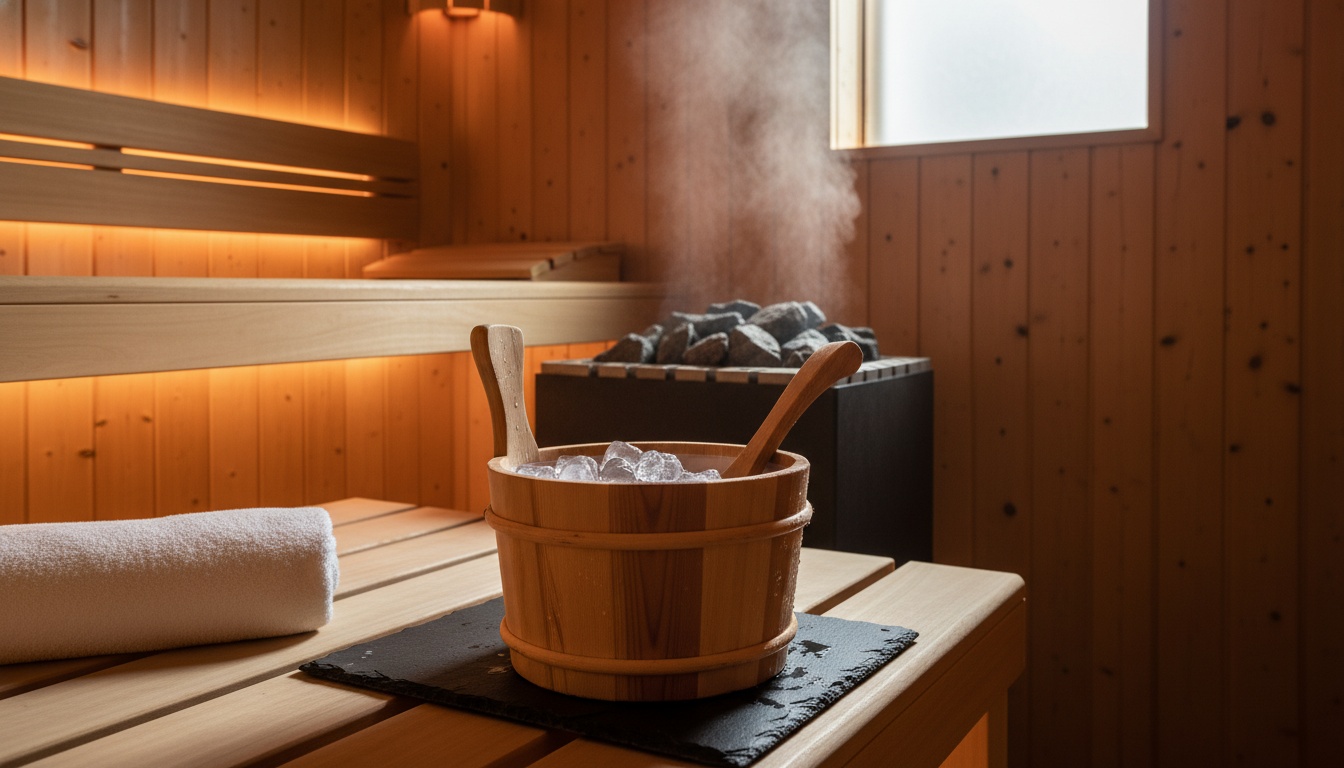
The population data is even more compelling. Finnish cohort studies tracking sauna habits over two decades show regular users have lower rates of cardiovascular mortality, improved arterial stiffness, and better endothelial function (Nagai et al., 2026). The Finnish protocol—80–100 °C, dry heat, 15–20 minutes, two to three times per week—has the strongest evidence base.
Infrared saunas (50–60 °C, 30–45 minutes) are a reasonable alternative if you don’t have access to a traditional sauna. The evidence is moderate, not strong, but the heat stress mechanism is similar. Steam rooms are less studied but follow the same logic.
One bonus: repeated sauna sessions can increase growth hormone release by 200–300 %, which supports muscle repair, fat metabolism, and collagen production. That’s not a reason to sauna alone, but it’s a real secondary benefit.
Which breathwork technique actually works?
It depends on what you’re after. Breathwork isn’t one practice; the techniques produce opposite physiological effects.
Box breathing (inhale four seconds, hold four, exhale four, hold four) activates the parasympathetic nervous system. It lowers cortisol, improves heart rate variability, and has consistent clinical evidence for stress reduction. Five minutes in the morning or evening is enough. This is the one to start with if stress management is the goal.
Wim Hof method (controlled hyperventilation followed by breath holds) does the opposite: it activates the sympathetic nervous system, spikes adrenaline and norepinephrine, and temporarily suppresses immune response. Small studies show reduced inflammatory markers in trained practitioners, but large-scale trials are still limited. Don’t do it before bed—it’s activating, not calming. And if you have anxiety or panic disorder, skip it entirely; the hyperventilation can trigger episodes.
Diaphragmatic breathing (slow belly breathing) has the most consistent evidence for anxiety reduction. It’s less dramatic than Wim Hof, but it works reliably.
What’s the most effective weekly protocol?
If you want to combine all three modalities without overdoing it:
Monday, Wednesday, Friday: Finnish sauna at 80–90 °C for 15–20 minutes. Start at the lower end if you’re new to heat exposure.
Tuesday, Thursday: Cold water immersion at 10–15 °C for two to three minutes. A bathtub with ice works; you don’t need a plunge pool.
Daily: Box breathing for five minutes, morning or evening. This one costs nothing and takes almost no time.
Add one modality per week. Don’t stack everything on day one—the stress responses are real, and your body needs time to adapt.
What to avoid: extreme cold (below 5 °C) without building tolerance first, sauna sessions longer than 20 minutes without experience, and Wim Hof if you’re prone to anxiety. The biology is real, but so is the risk of overdoing it.
Frequently asked questions
How cold does water need to be for cold exposure benefits? Ten to fifteen degrees Celsius for two to five minutes, two to three times per week. Cold showers at 15–20 °C for 30–60 seconds offer a milder benefit but have less supporting data.
Is infrared sauna as effective as traditional sauna? Infrared saunas (50–60 °C) have moderate evidence for heat stress benefits. Traditional Finnish saunas (80–100 °C) have 20 years of cohort data supporting cardiovascular protection. Infrared is a reasonable alternative if traditional access is limited.
Can breathwork help with perimenopause symptoms? Box breathing and diaphragmatic breathing reliably reduce cortisol and improve heart rate variability, which can help manage stress-related symptoms. Wim Hof is more activating and may worsen anxiety in some women.
How long before I notice results from cold exposure? Norepinephrine spikes immediately after cold immersion. Inflammation markers (IL-6, CRP) show measurable changes within two weeks of consistent practice. Brown fat activation takes longer—roughly four to six weeks of regular exposure.
This post contains affiliate links. If you purchase through these links, I may earn a small commission at no extra cost to you.
Coming soon
- The supplement stack that actually helps with perimenopause
- Why your iron levels matter more than you think
- Retatrutide: The next weight loss peptide everyone is waiting for