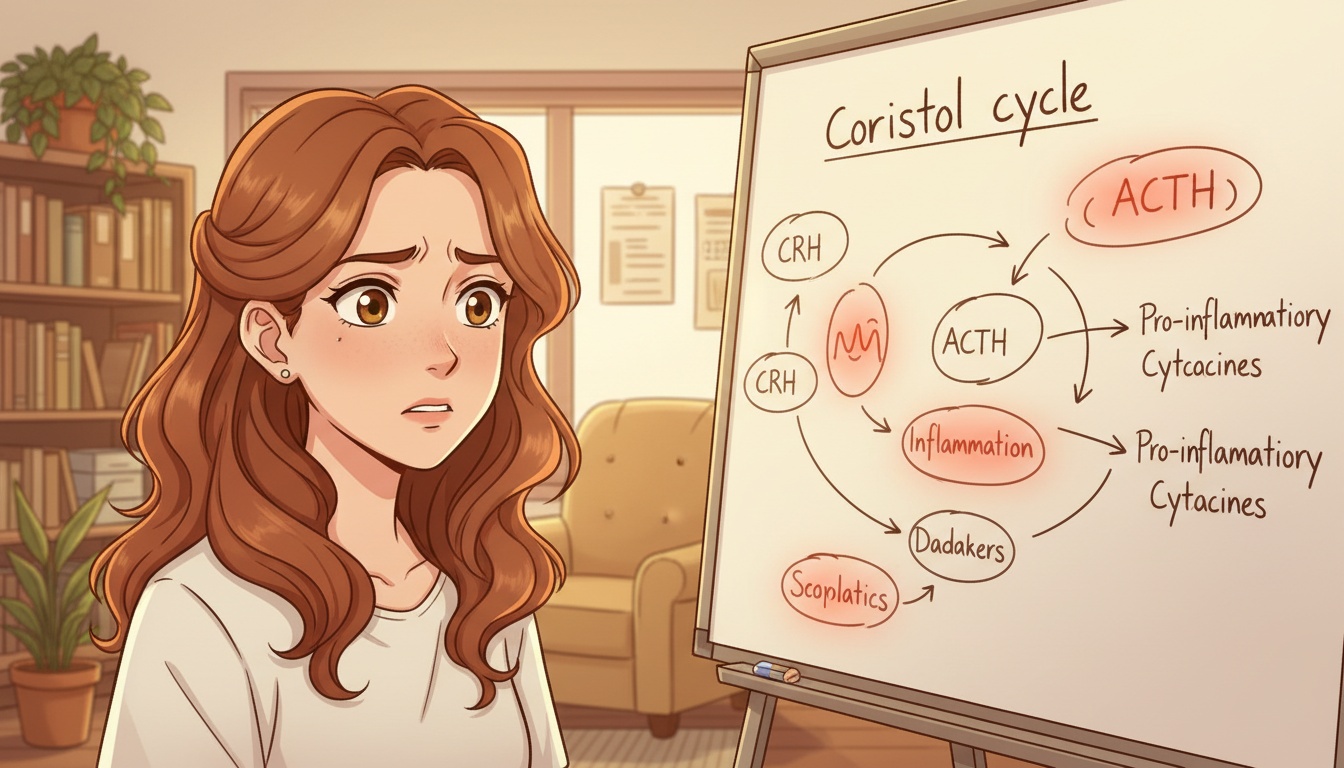
The Cortisol-Inflammation Loop: Why Your Body Fights Recovery
The cortisol-inflammation feedback loop explains why stress makes inflammation worse and inflammation disrupts your sleep, energy, and recovery.
The cortisol-inflammation feedback loop explains why stress makes inflammation worse and inflammation disrupts your sleep, energy, and recovery.
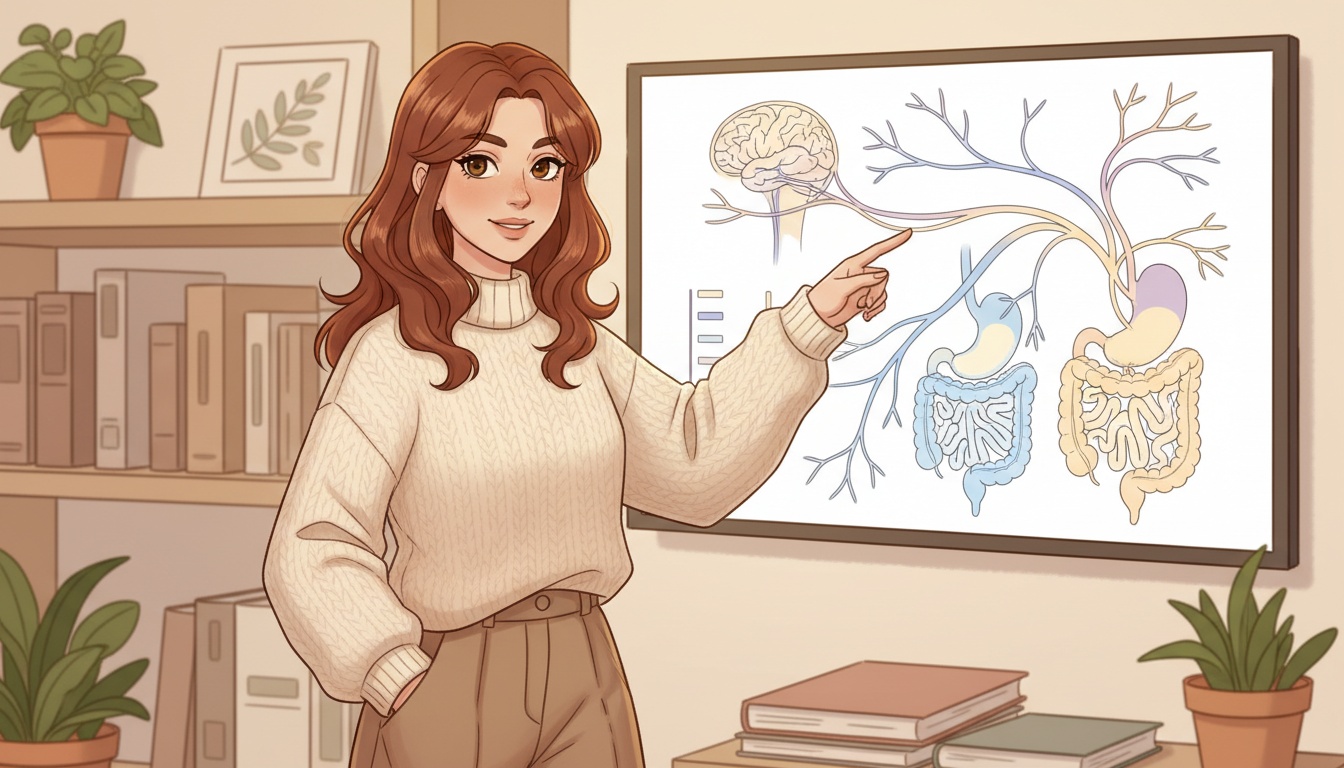
Your gut sends signals to your brain through the vagus nerve — and gut bacteria control what those signals say.

Your vitamin D needs depend on genetics, body weight, gut health, and baseline levels — not a one-size-fits-all supplement dose.

Standard vitamin D recommendations fail most people — here’s why personalized dosing based on your body and labs is the research-backed approach.

The 3am wake-up isn’t random — it’s a cortisol-inflammation feedback loop that disrupts your sleep architecture.

Biological age tests are everywhere — but the inflammation driving your aging might not show up on any of them.

The standard 400 IU recommendation ignores everything that makes your vitamin D needs unique — here’s how to find your actual number.

The headlines say microplastics are everywhere. The science says something more specific — and more useful.

New research maps exactly how bacteria in your mouth reach your brain and contribute to cognitive decline — and the connection is more direct than anyone thought.

New research reveals your oral health may predict cognitive decline — through pathways most doctors and dentists never discuss.

The 3am wake-up isn’t just a cortisol problem — it’s inflammation hijacking your cortisol curve, and the fix starts with what’s driving the inflammation.

Inflammation doesn’t just cause pain — it hijacks your cortisol rhythm and wakes you up at 3am.
Get new posts in your inbox
No spam. No sales pitches. Just the science.
By subscribing, you agree to receive email updates. Unsubscribe anytime. Privacy
Like what you're reading?
Get new posts delivered. No spam, just the science.
By subscribing, you agree to receive email updates. Unsubscribe anytime.