
Antibiotics and Your Mood: How Long Recovery Really Takes
After antibiotics, your gut takes weeks to recover — and your mood pays the price. Here’s what’s happening and how to speed it up.
After antibiotics, your gut takes weeks to recover — and your mood pays the price. Here’s what’s happening and how to speed it up.

If you have depression and digestive issues, the connection isn’t coincidence. Here’s the investigation pathway most doctors never offer.

A spore-forming probiotic strain with real clinical trials showing improvements in depression, anxiety, and gut inflammation.

Your gut inflammation is sending immune signals to your brain. Here’s the cytokine pathway behind depression and anxiety.

The gut-brain connection is real, but what actually works? Evidence-based probiotics, butyrate, diet, and testing strategies for mental health.

The menopausal brain is physically changing — and most doctors are looking in the wrong direction.

The menopausal brain isn’t broken. It’s recalibrating — and the science behind why you feel foggy, anxious, and unlike yourself is finally catching up.

The gut-brain connection is more specific than you think — new research maps the exact pathways your gut bacteria use to influence your mental health.

The tryptophan-serotonin pathway your gut bacteria run — and what happens when it stops working.
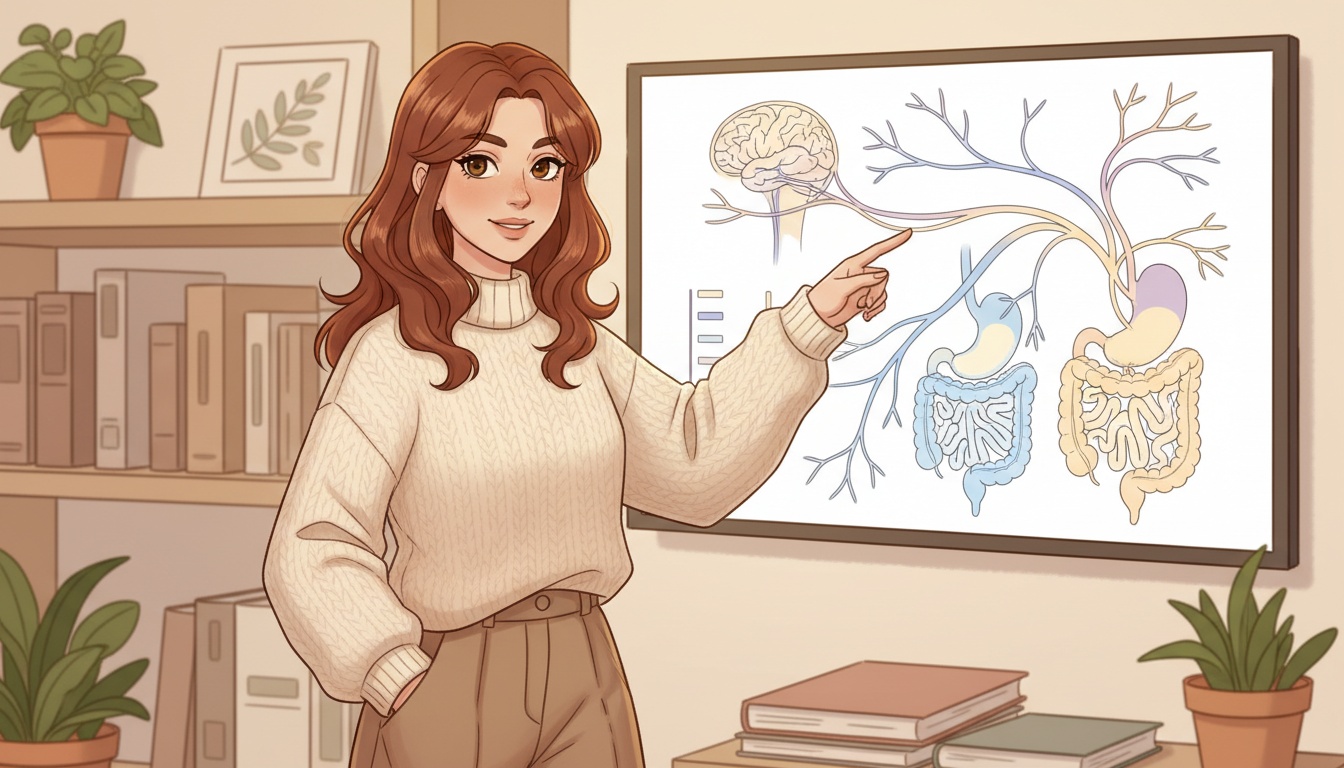
Your gut sends signals to your brain through the vagus nerve — and gut bacteria control what those signals say.

BDNF is the protein that determines whether your brain bounces back or stays stuck. Your gut bacteria control how much you make.

Three pathways connect your gut bacteria to your brain. Understanding the system — not just one piece — is what actually changes your mental health.
Get new posts in your inbox
No spam. No sales pitches. Just the science.
By subscribing, you agree to receive email updates. Unsubscribe anytime. Privacy
Like what you're reading?
Get new posts delivered. No spam, just the science.
By subscribing, you agree to receive email updates. Unsubscribe anytime.