
SSRIs Fail When Gut Inflammation Steals Serotonin
SSRIs don’t work for half of depressed patients. The reason might start in your gut, not your brain.
SSRIs don’t work for half of depressed patients. The reason might start in your gut, not your brain.
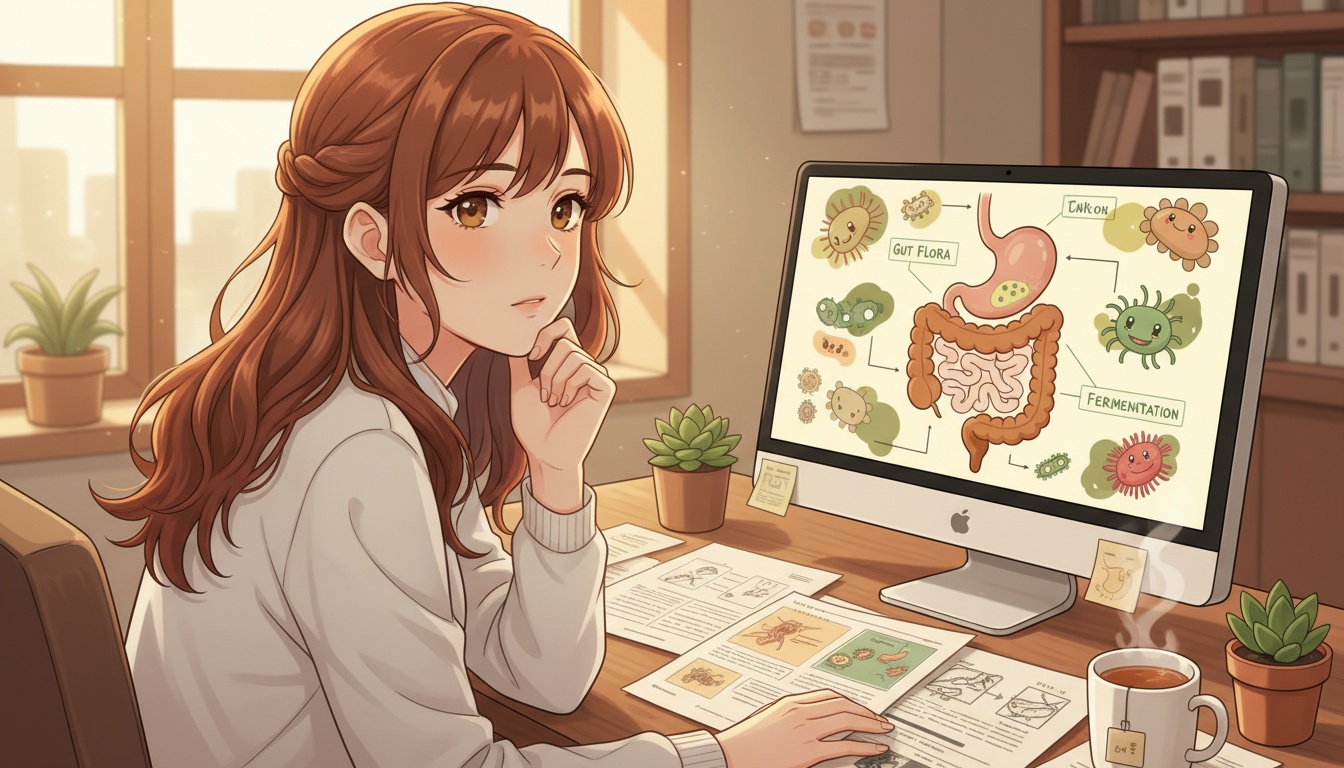
New research challenges the chemical imbalance theory of depression. The real culprit might be chronic inflammation originating in your gut.

The specific probiotic strains with real clinical evidence for improving mood — and the ones that don’t cross the gut-brain barrier.

The gut-brain axis isn’t a wellness trend — it’s a measurable biological pathway. Here’s what the latest studies show.
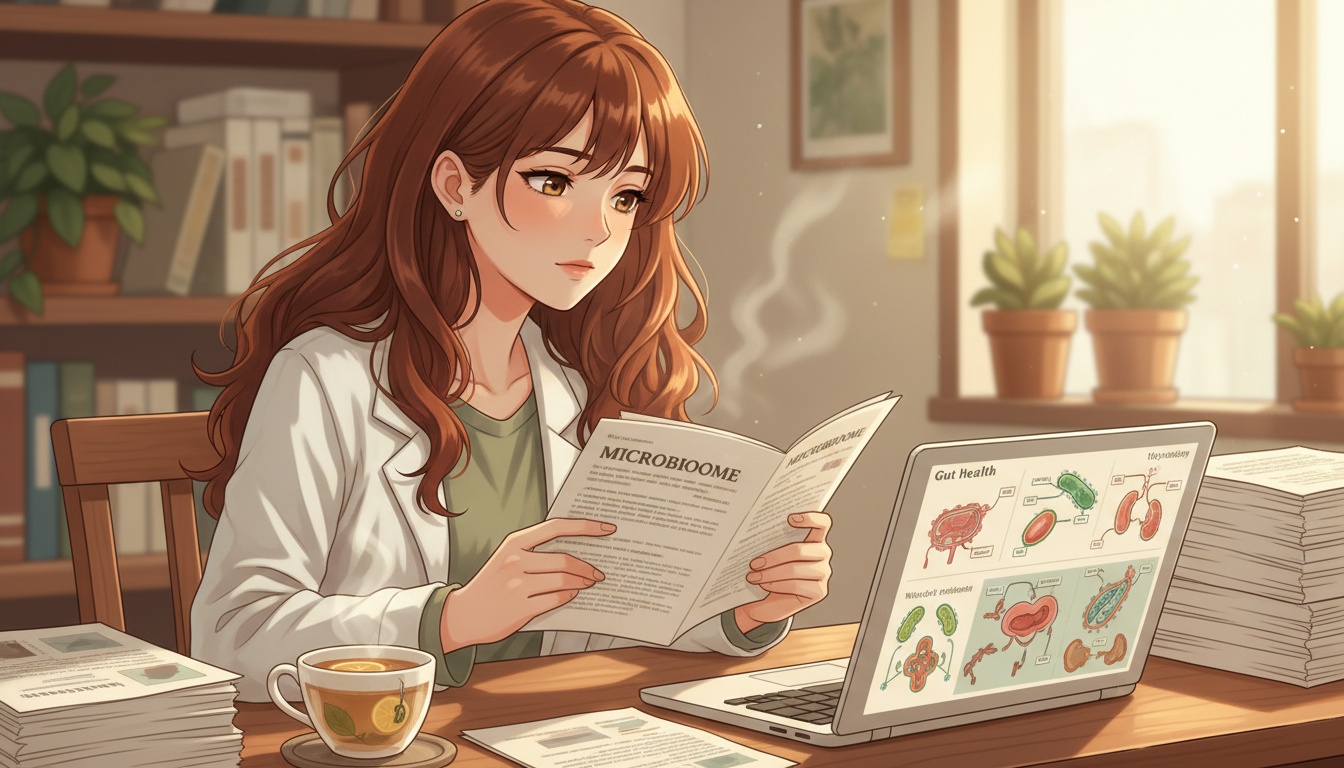
Your gut bacteria manufacture most of your body’s serotonin. Here’s how that connection works and what you can do about it.

Your microbiome doesn’t just digest food — it manufactures neurotransmitters and sends signals directly to your brain through the vagus nerve.

Your gut bacteria are quietly running your mood. Here’s the science behind the gut-brain connection and what you can do about it.
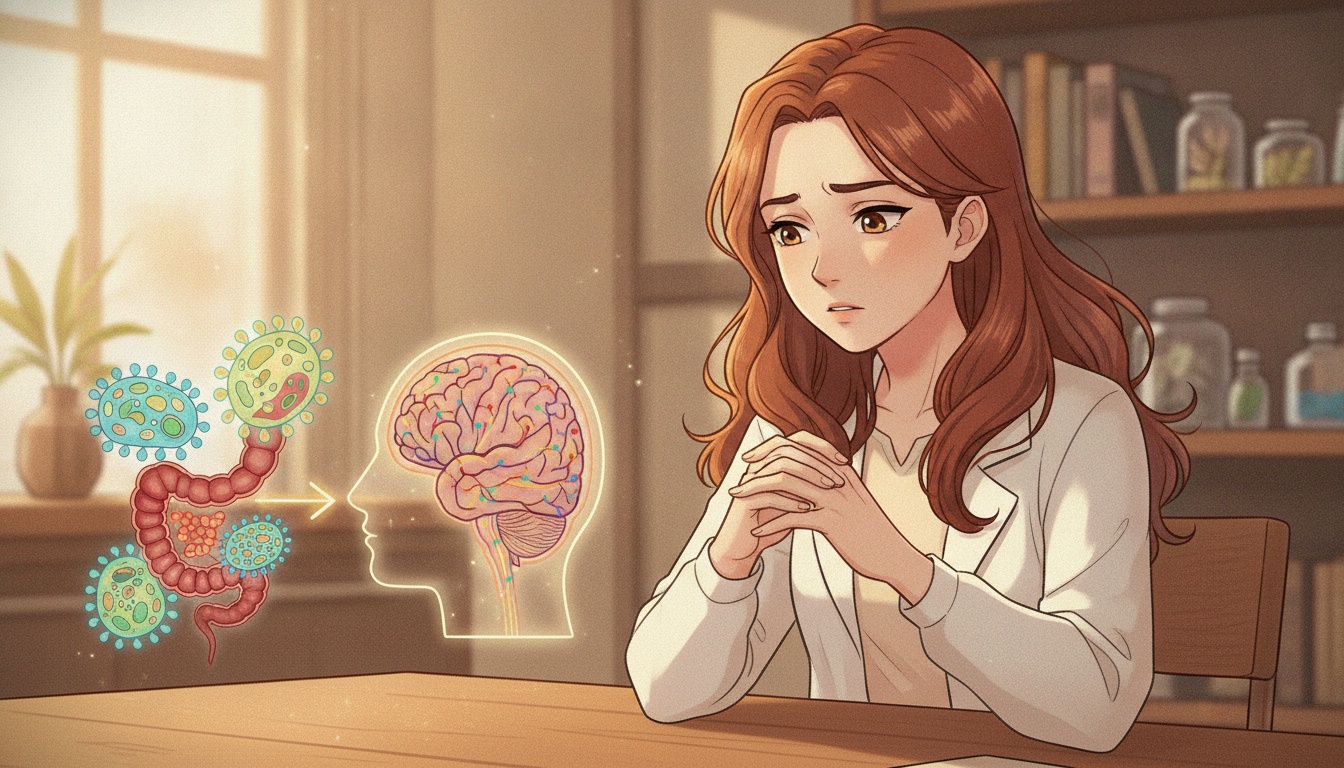
The gut-brain axis isn’t a theory anymore — it’s a mechanism. Here’s how your microbiome controls your mood and what to do about it.

Your gut bacteria produce neurotransmitters, regulate inflammation, and talk to your brain in real time. After 40, that conversation changes.

Three specific ChatGPT prompts that use journaling and cognitive reappraisal techniques to reduce cortisol — no meditation cushion required.
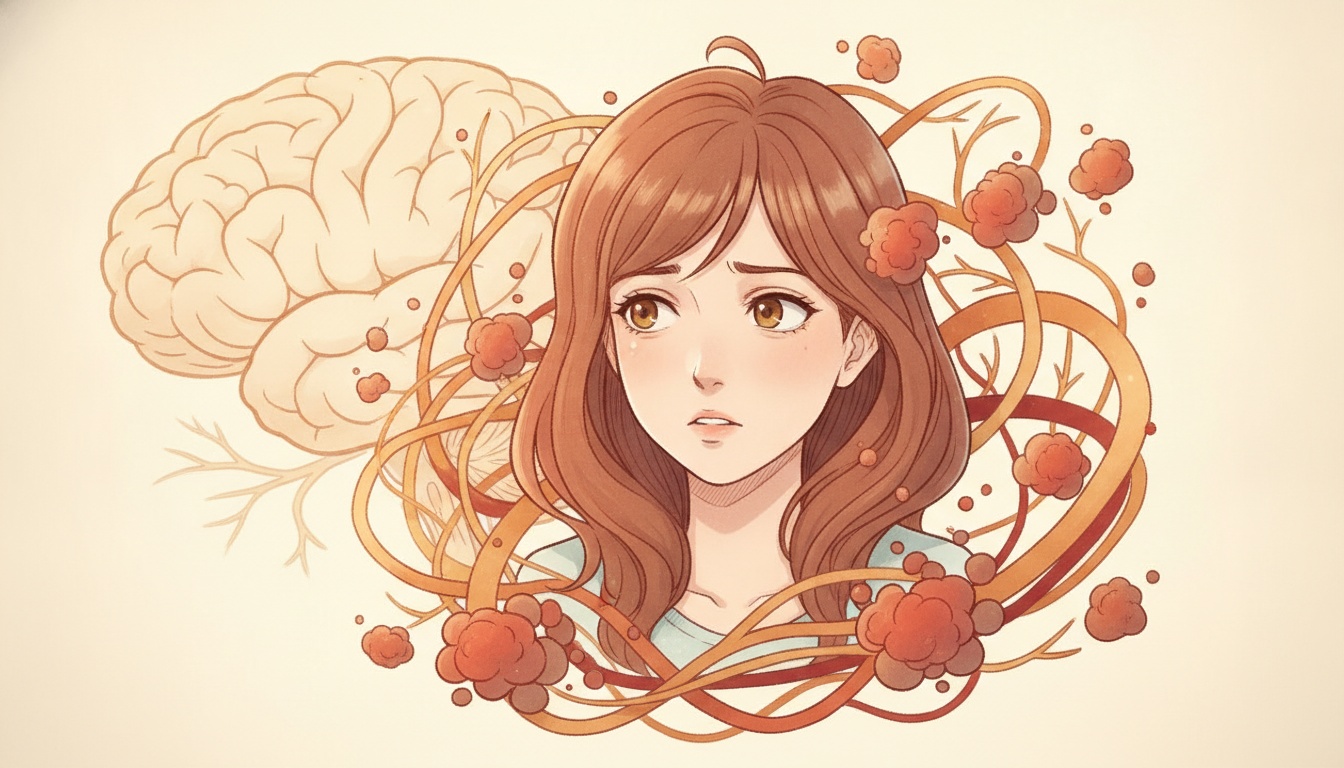
Your brain stores trauma in your body — and it shows up as inflammation, sleep problems, and hormone chaos. EMDR might be the therapy you didn’t know you needed.
Get new posts in your inbox
No spam. No sales pitches. Just the science.
By subscribing, you agree to receive email updates. Unsubscribe anytime. Privacy
Like what you're reading?
Get new posts delivered. No spam, just the science.
By subscribing, you agree to receive email updates. Unsubscribe anytime.